
The Impact of Roof Color and Material on Home Energy Efficiency
A home’s roof is far more than just a protective barrier against the elements—it plays a pivotal role in regulating indoor temperatures and influencing energy consumption. In today’s environmentally conscious world, homeowners are increasingly exploring how roof design choices can enhance energy efficiency and reduce utility costs. Among the most influential factors are the roof’s color and material. These elements can dramatically affect how a house absorbs, reflects, and retains heat, ultimately shaping comfort levels inside the home. Understanding the interplay between roof characteristics and energy efficiency is crucial for anyone seeking to optimize their living space while also making sustainable choices.
Selecting the right roofing solution involves more than aesthetics; it requires informed decision-making based on performance, climate, and long-term energy savings. For instance, a light-colored roof in a hot climate may reflect sunlight, lowering cooling costs, whereas darker materials might retain heat, offering benefits in colder regions. Similarly, modern roofing materials, from metal to asphalt shingles, each present unique advantages and limitations for energy conservation. This blog delves into the nuanced impact of roof color and material, providing homeowners, architects, and builders with actionable insights to make smart, energy-conscious decisions.
1. How Roof Color Influences Energy Efficiency
Light vs. Dark Colors
The color of a roof significantly affects how much heat it absorbs. Dark-colored roofs, such as charcoal or deep brown, absorb more sunlight and convert it into heat, increasing the temperature of the attic and upper floors. This can result in higher cooling costs during summer months. In contrast, light-colored roofs, including shades of white, beige, or pale gray, reflect a larger portion of sunlight, keeping the home cooler and reducing the reliance on air conditioning.
Reflectivity and Solar Heat Gain
A roof’s reflectivity, also known as its albedo, measures how effectively it reflects solar energy. High-reflectivity materials can lower the temperature of the roof surface by as much as 50–60 degrees Fahrenheit on a sunny day. This, in turn, reduces heat transfer into the home. Energy-efficient roof coatings and reflective shingles have gained popularity for their ability to minimize solar heat gain, offering measurable savings on utility bills.
Real-World Scenario
Consider a home in a hot climate like Dallas, TX. A homeowner switching from a traditional dark asphalt shingle to a light-colored, reflective roof can potentially reduce air conditioning costs by 10–20% annually. This demonstrates how strategic roof color choices contribute not only to comfort but also to long-term energy savings.
2. The Role of Roofing Material in Energy Efficiency
Asphalt Shingles
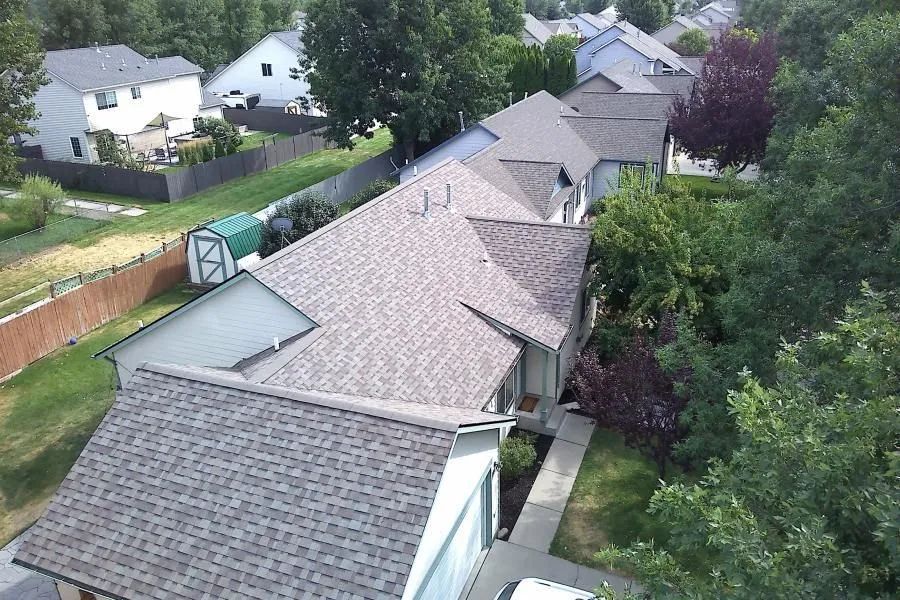
Asphalt shingles are the most common roofing material in residential construction due to affordability and ease of installation. Standard asphalt shingles absorb a significant amount of heat, which may increase cooling demands. However, newer “cool roof” asphalt shingles incorporate reflective granules that improve energy efficiency by reflecting more sunlight and reducing heat absorption.
Metal Roofing
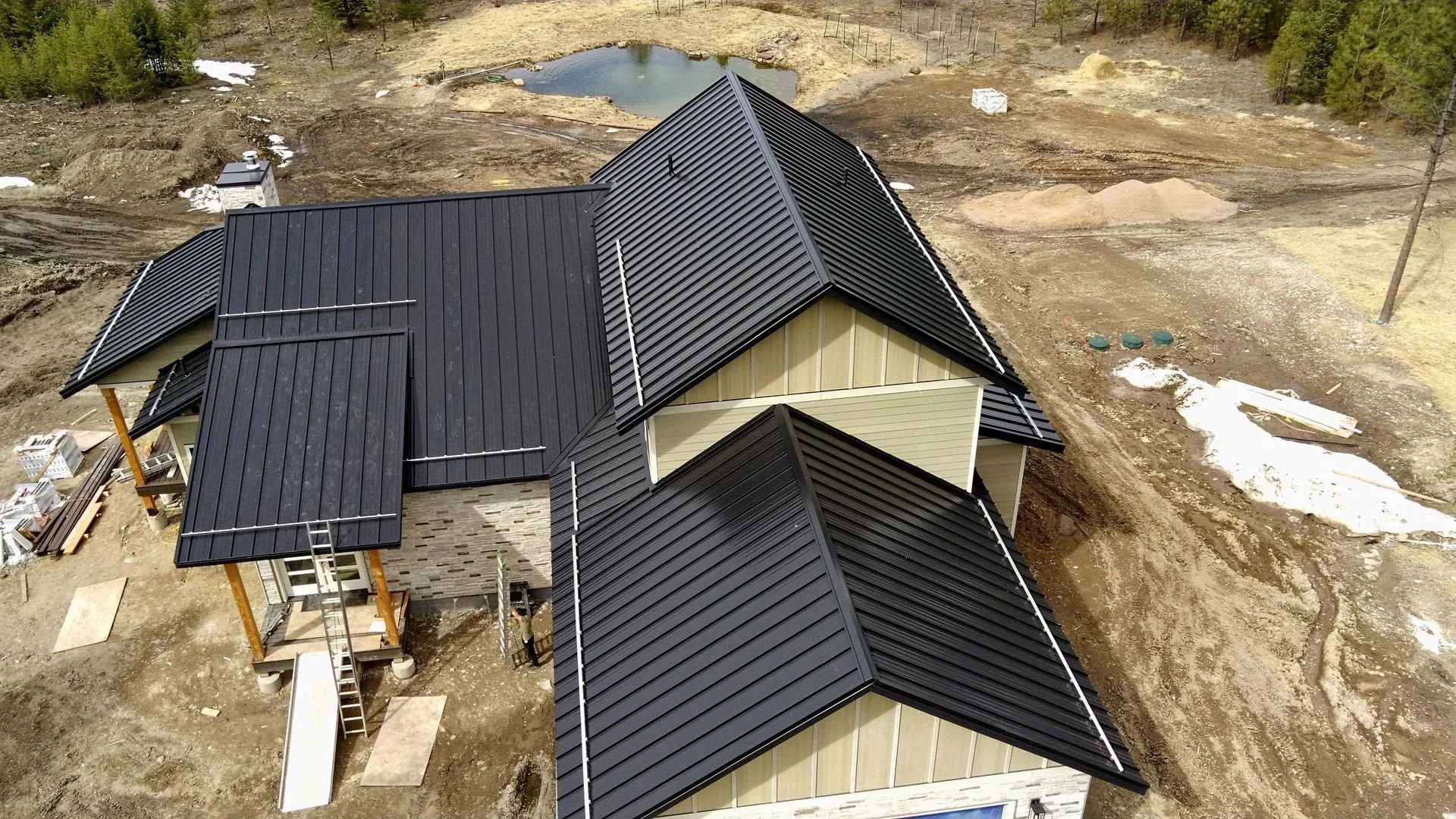
Metal roofs, made from aluminum, steel, or copper, offer high durability and reflectivity. When coated with reflective paint or finishes, metal roofs can reflect up to 70% of solar radiation, substantially reducing heat buildup. They also cool quickly after sunset, preventing prolonged heat retention and improving comfort in living spaces.
Tile and Slate Roofs
Clay and concrete tiles, as well as natural slate, are known for their thermal mass, which allows them to absorb and slowly release heat. This characteristic can be advantageous in regions with fluctuating temperatures, as it helps moderate indoor conditions. However, tiles are heavier and require reinforced structures, adding to installation costs.
Real-World Example
A metal roof installed on a suburban home in Phoenix, AZ, can remain significantly cooler than a dark asphalt shingle roof, lowering attic temperatures and reducing the homeowner’s cooling bills during the scorching summer months. Such real-world evidence emphasizes the importance of material choice in energy-efficient design.
3. Climate Considerations in Roof Selection
Hot Climates
In regions with high temperatures, the primary goal is to minimize solar heat gain. Light-colored, reflective roofs made from metal, tile, or coated asphalt shingles are ideal, as they help maintain cooler indoor temperatures. Additionally, ventilated roof designs can further enhance airflow and reduce heat accumulation.
Cold Climates
In colder regions, heat retention becomes a priority. Darker roofing materials can absorb and store solar heat during the day, naturally warming the home and reducing heating costs. Insulation and proper roof ventilation are still critical to prevent ice dam formation and maintain energy efficiency.
Humid and Mixed Climates
Homes in humid or temperate regions benefit from a balanced approach. Reflective roofing may prevent excessive summer heat, while materials with thermal mass can moderate indoor temperatures during cooler periods. Homeowners should also consider moisture-resistant materials to prevent mold and structural damage.
Expert Insight
Architects and energy consultants often emphasize that there is no one-size-fits-all solution. Roof color and material should be selected based on local climate, seasonal energy demands, and building orientation to achieve optimal efficiency.
4. Roof Insulation and Ventilation
Insulation Integration
The effectiveness of a roof in maintaining energy efficiency depends not only on its color and material but also on proper insulation. High-quality insulation prevents heat transfer, ensuring that even a dark or less-reflective roof does not excessively heat or cool the interior. Combining reflective roofing materials with advanced insulation can create synergistic energy savings.
Ventilation Systems
Roof ventilation, including ridge vents, soffit vents, and attic fans, plays a crucial role in regulating attic temperatures. Adequate ventilation helps dissipate heat during summer, reducing the burden on air conditioning systems. In winter, proper ventilation prevents condensation and ice dams, protecting both energy efficiency and structural integrity.
Best Practices
Energy-efficient roof design often incorporates a layered approach: reflective materials, thermal insulation, and strategic ventilation. This integrated method ensures the roof contributes positively to the home’s overall energy performance, regardless of external weather conditions.
5. Innovative Roofing Solutions for Energy Savings
Cool Roof Technology
Cool roofs are engineered to reflect more sunlight and absorb less heat. They are available in various materials, including asphalt, metal, and synthetic composites. Cool roof coatings can also be applied to existing roofs, offering a cost-effective upgrade to enhance energy efficiency without full replacement.
Green Roofs
Green roofs, featuring vegetation and soil layers, provide natural insulation, reduce heat absorption, and improve air quality. While installation costs are higher, green roofs can significantly reduce cooling and heating demands, particularly in urban environments where heat islands are a concern.
Solar-Integrated Roofs
Solar shingles and roof-mounted photovoltaic systems not only generate renewable energy but also add a reflective layer that can reduce heat absorption. Homes equipped with solar roofs often see dual benefits: lower energy bills and a smaller carbon footprint.
Case Study
A homeowner in Austin, TX, installed a reflective metal roof combined with rooftop solar panels. The result was a 25% reduction in electricity costs and improved indoor comfort throughout the year. This highlights how modern roofing technologies can simultaneously address energy efficiency and sustainability.
6. Maintenance and Longevity Considerations
Material Durability
Roofing materials influence long-term energy efficiency. Metal and tile roofs, with lifespans of 50+ years, maintain reflective properties longer than asphalt shingles, which may degrade over time. Durable materials also resist weather-related damage, ensuring consistent energy performance.
Surface Cleaning
Accumulation of debris, algae, or dust can reduce a roof’s reflectivity and overall efficiency. Regular maintenance, including cleaning and inspection, helps sustain energy-saving benefits. Homeowners in areas prone to heavy rainfall or dust storms should pay particular attention to roof upkeep.
Economic Implications
Investing in durable, reflective materials may involve higher upfront costs but offers long-term savings through reduced energy bills and extended roof life. Homeowners should evaluate total cost of ownership, balancing installation expenses with anticipated energy efficiency gains.
7. Roof Orientation and Slope Effects on Energy Efficiency
How Roof Angle Impacts Sun Exposure
The slope and orientation of a roof influence how much sunlight it receives throughout the day. South-facing roofs in the Northern Hemisphere capture the most sunlight, which can be beneficial for solar integration but may increase cooling demands if not properly designed. Steeper slopes can shed snow and rain more effectively but may also alter heat absorption patterns.
Combining Orientation with Material Selection
When planning a roof, pairing the right slope and orientation with reflective or dark materials can optimize energy efficiency. For example, a lightly colored, south-facing metal roof can reflect intense sunlight, reducing indoor heat during summer months, while a dark tile roof in a northern-facing orientation can help retain warmth in winter.
Practical Tip
Homeowners can work with roofing professionals to analyze roof orientation and angle, ensuring that material choice complements the home’s exposure to sunlight for maximum energy savings.
Investing in Roof Performance For Long-Term Savings
Roof color and material are critical factors in determining a home’s energy efficiency. Lighter colors and reflective surfaces reduce heat absorption, lowering cooling costs in warmer climates, while darker materials can retain heat to aid in colder regions. Material choice—whether asphalt, metal, tile, or slate—further influences energy performance through thermal properties, durability, and integration with insulation and ventilation. Innovative solutions, such as cool roofs, green roofs, and solar-integrated systems, offer additional opportunities to enhance energy efficiency and sustainability. Proper maintenance and strategic selection based on climate and home design are essential for maximizing long-term benefits.
At Havoc Roofing LLC, we specialize in helping homeowners make informed roofing decisions that improve energy efficiency and comfort. Based in Dallas, TX, with 10
years of experience, our team provides
expert guidance on roof materials, colors, and installation techniques. We prioritize durable, cost-effective solutions tailored to each home’s specific needs, ensuring optimal performance year-round. By choosing Havoc Roofing LLC, you gain a trusted partner dedicated to sustainable, energy-efficient roofing solutions that protect your investment and enhance your home’s value.