Metal vs. Asphalt Roofing: Which One Handles Extreme Weather Better?
When it comes to protecting a home, the roof is often the first line of defense against nature’s extremes. Homeowners in regions prone to heavy rain, high winds, hail, or intense heat face a critical decision: which roofing material will provide reliable, long-lasting protection? Metal and asphalt shingles are two of the most popular choices in the roofing industry today, each offering unique benefits and drawbacks. Understanding their performance in extreme weather scenarios is essential for making an informed decision that balances durability, cost, and aesthetic appeal.
The stakes are high when weather patterns are unpredictable or severe. A roof that cannot withstand hailstorms, hurricanes, or scorching heat can quickly lead to costly repairs, water damage, and even structural issues. Choosing the right roofing material is not just about appearance—it’s about safeguarding your investment and ensuring the safety of your household. In this blog, we will compare metal and asphalt roofing in the context of extreme weather, providing a detailed analysis of their resilience, performance, and maintenance considerations. By the end, you will gain a clearer understanding of which roofing option truly stands up to the elements.
1. Durability and Lifespan
Metal Roofing Durability
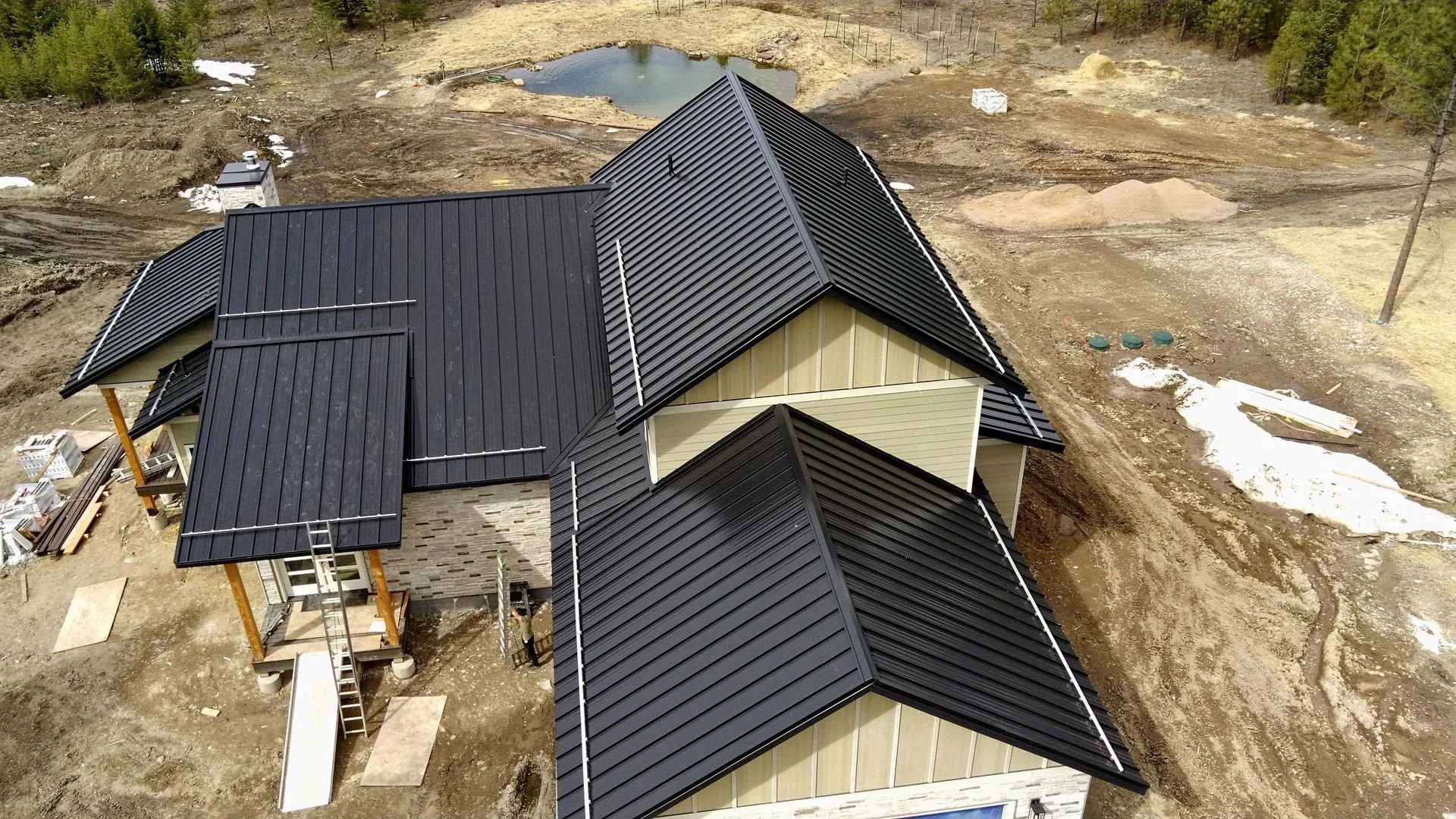
Metal roofing is widely recognized for its exceptional durability. Constructed from materials like steel, aluminum, or copper, metal roofs are resistant to cracking, shrinking, and eroding. Unlike asphalt shingles, which can deteriorate over time under UV exposure and heavy rainfall, metal panels maintain their structural integrity for decades. Many metal roofs come with warranties of 40 to 70 years, reflecting their long-term reliability.
In extreme weather scenarios, metal roofing performs exceptionally well. High winds up to 140 mph typically cannot lift properly installed panels, and the interlocking design of many metal systems enhances their resistance to storm damage. Additionally, metal roofs are non-combustible, offering superior protection in wildfire-prone areas.
Asphalt Roofing Durability
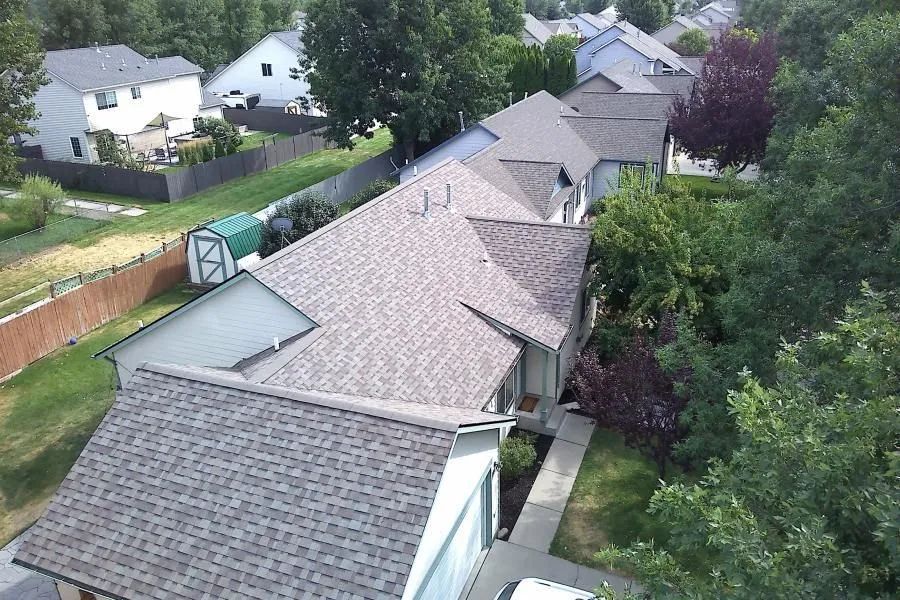
Asphalt shingles are cost-effective and popular, but their lifespan generally ranges from 15 to 30 years depending on quality and installation. Under normal weather conditions, they perform adequately, but severe storms can compromise their effectiveness. Hail can crack shingles, high winds can lift or tear them off, and prolonged exposure to intense heat can cause curling or brittleness.
While some premium asphalt shingles are engineered to withstand higher wind speeds and impact resistance, they still fall short compared to metal when it comes to long-term durability and extreme weather resilience.
2. Resistance to Weather Elements
Wind Resistance
Metal roofing is known for its superior wind resistance. Panels are often designed to withstand gusts exceeding 140 mph, making them ideal for hurricane-prone regions. The installation method—typically with interlocking seams and mechanical fasteners—prevents panels from being dislodged. In contrast, asphalt shingles can perform well in moderate winds but are more susceptible to lifting, tearing, or losing granules during storms. Wind-damaged shingles often require partial roof replacement.
Hail and Impact Resistance
Hail can pose a significant threat to roofing systems. Metal roofs excel due to their hard surfaces, which deflect hail and prevent penetration. Many metal roofing materials also carry Class 4 impact ratings, the highest standard for hail resistance. Asphalt shingles, even premium varieties, may suffer dents, cracks, or broken granules during a hailstorm. Homeowners with asphalt roofs often experience cosmetic damage that can still affect the roof’s long-term waterproofing capabilities.
Fire Resistance
Metal roofs are inherently fire-resistant, often rated Class A—the highest fire rating. This makes them a reliable choice in areas prone to wildfires or lightning strikes. Asphalt shingles, however, are combustible unless treated with special fire-resistant coatings. Even then, they rarely match the fire protection level offered by metal.
3. Temperature and Energy Efficiency
Heat Reflection and Energy Savings
Metal roofs reflect solar radiant heat, which can reduce cooling costs by 10–25% in hot climates. This reflective quality not only enhances energy efficiency but also protects the roof deck from heat-induced expansion and deterioration. Asphalt shingles absorb more heat, causing higher attic temperatures and increased energy usage for air conditioning. Over time, this heat exposure can accelerate the aging process of asphalt shingles.
Cold Weather Performance
In cold climates, metal roofs facilitate snow and ice shedding due to their smooth, slippery surfaces. This reduces the risk of ice dams, which can cause water leakage and structural damage. Asphalt shingles, on the other hand, can retain snow and ice, increasing the likelihood of water infiltration under the shingles if ice dams form. Proper installation of ice and water barriers is essential for asphalt roofs in winter climates, adding to labor and material costs.
Seasonal Expansion and Contraction
Metal roofs expand and contract with temperature changes, which can lead to minor noises but generally does not compromise structural integrity when properly installed. Asphalt shingles also expand and contract but may experience cracking or curling over time in regions with extreme temperature fluctuations, impacting performance and longevity.
4. Maintenance and Repair Considerations
Metal Roofing Maintenance
Metal roofs generally require minimal maintenance. Periodic inspections for loose fasteners, sealant checks, and cleaning of debris are usually sufficient. Unlike asphalt, metal does not rot, warp, or attract moss or algae growth. Minor dents from hail may occur, but they typically do not compromise the roof’s functionality.
Asphalt Roofing Maintenance
Asphalt shingles demand more frequent upkeep. Regular inspections are necessary to identify missing, cracked, or curling shingles. Granule loss can expose the underlying material to UV rays and water penetration, leading to leaks and premature aging. Repairs can be costly, especially if multiple shingles need replacement following a severe storm. Proactive maintenance is essential to prolong an asphalt roof’s lifespan, particularly in regions with extreme weather.
Inspection Frequency and Cost Implications
Metal roofs typically require inspections once or twice a year, with minor maintenance costs. Asphalt roofs may require more frequent inspections, especially after storms, increasing both labor and material costs over the roof’s lifespan. Proper maintenance planning can significantly affect long-term value and durability.
5. Cost and Value Analysis
Initial Investment
Metal roofing generally has a higher upfront cost than asphalt, often 2–3 times more per square foot. However, considering the lifespan, durability, and minimal maintenance requirements, metal can provide a better long-term return on investment. For homeowners in areas prone to hurricanes, hail, or wildfires, this investment may prevent costly damage and insurance claims.
Long-Term Cost Efficiency
Asphalt roofs are less expensive initially, but frequent repairs and earlier replacement reduce their cost-effectiveness over time. Insurance premiums may also be higher for asphalt roofs in storm-prone regions. Metal roofs, despite higher initial costs, often lead to savings in energy bills, maintenance, and insurance discounts due to their resilience and fire resistance.
Insurance and Resale Considerations
Homes with metal roofs often benefit from lower insurance premiums due to superior durability and weather resistance. Additionally, metal roofing can increase property resale value because of its long lifespan and high-performance reputation. Asphalt roofs may not offer the same financial advantages in insurance savings or market appeal.
6. Aesthetic Options and Flexibility
Metal Roofing Styles
Modern metal roofs come in a variety of styles, colors, and finishes that can mimic traditional shingles, slate, or tile. This versatility allows homeowners to achieve a desired aesthetic without compromising performance. Panels can be painted with reflective coatings to enhance energy efficiency further.
Asphalt Roofing Styles
Asphalt shingles are available in numerous colors and patterns, offering flexibility in home design. While visually appealing and able to complement most architectural styles, they are limited in performance under extreme weather compared to metal. Homeowners seeking long-term protection without frequent replacement may find asphalt less advantageous in high-risk climates.
Customization and Architectural Compatibility
Metal roofing panels can be custom-fabricated to fit unique rooflines, dormers, or complex designs, offering a high degree of architectural flexibility. Asphalt shingles provide some design flexibility but may not conform as seamlessly to unusual roof structures, limiting creative options for homeowners with distinctive architecture.
7. Environmental Impact and Sustainability
Metal Roofing Sustainability
Metal roofs are highly sustainable, often made from recycled materials and fully recyclable at the end of their life. Their longevity reduces landfill waste, and energy-efficient coatings lower carbon footprints through reduced cooling needs.
Asphalt Roofing Sustainability
Asphalt shingles are petroleum-based, contributing to environmental concerns during production and disposal. Although some recycled shingles are used in road construction, many end up in landfills. Asphalt roofs generally have a higher environmental impact due to shorter lifespans and more frequent replacements.
Energy-Efficient and Green Certifications
Metal roofs often qualify for green building certifications due to their recyclability and energy efficiency. Asphalt roofs typically have fewer sustainability credentials, although reflective or “cool” asphalt shingles can reduce energy use slightly, their overall environmental impact remains higher than metal.
- Example Scenario:- A homeowner replaces a few shingles themselves and later files a claim for a leaking roof. The claim is denied due to unauthorized repairs, illustrating the importance of understanding warranty rules.
Protect Your Home With Smart Roofing Decisions
Choosing the right roofing material is a critical decision for homeowners facing extreme weather conditions. Metal roofing consistently outperforms asphalt shingles in durability, wind and hail resistance, fire protection, energy efficiency, and long-term maintenance requirements. While asphalt shingles are cost-effective initially and offer aesthetic variety, their shorter lifespan and vulnerability to severe weather often result in higher long-term expenses and repairs. Evaluating your local climate, budget, and roofing goals is essential to making an informed choice that protects your home and investment.
At Havoc Roofing LLC, based in Dallas, TX, we bring over 10 years of experience in providing expert roofing solutions tailored to extreme weather conditions. Our team specializes in both metal and asphalt roofing installations, repairs, and maintenance, ensuring homeowners receive
professional guidance and superior craftsmanship. We prioritize safety, longevity, and aesthetic appeal in every project. Whether you are upgrading your roof or planning new construction, our experts are committed to delivering durable, weather-resistant roofing solutions that stand the test of time.